Disinformation in Focus: Decoding Narratives of the Pahalgam Attack
Introduction
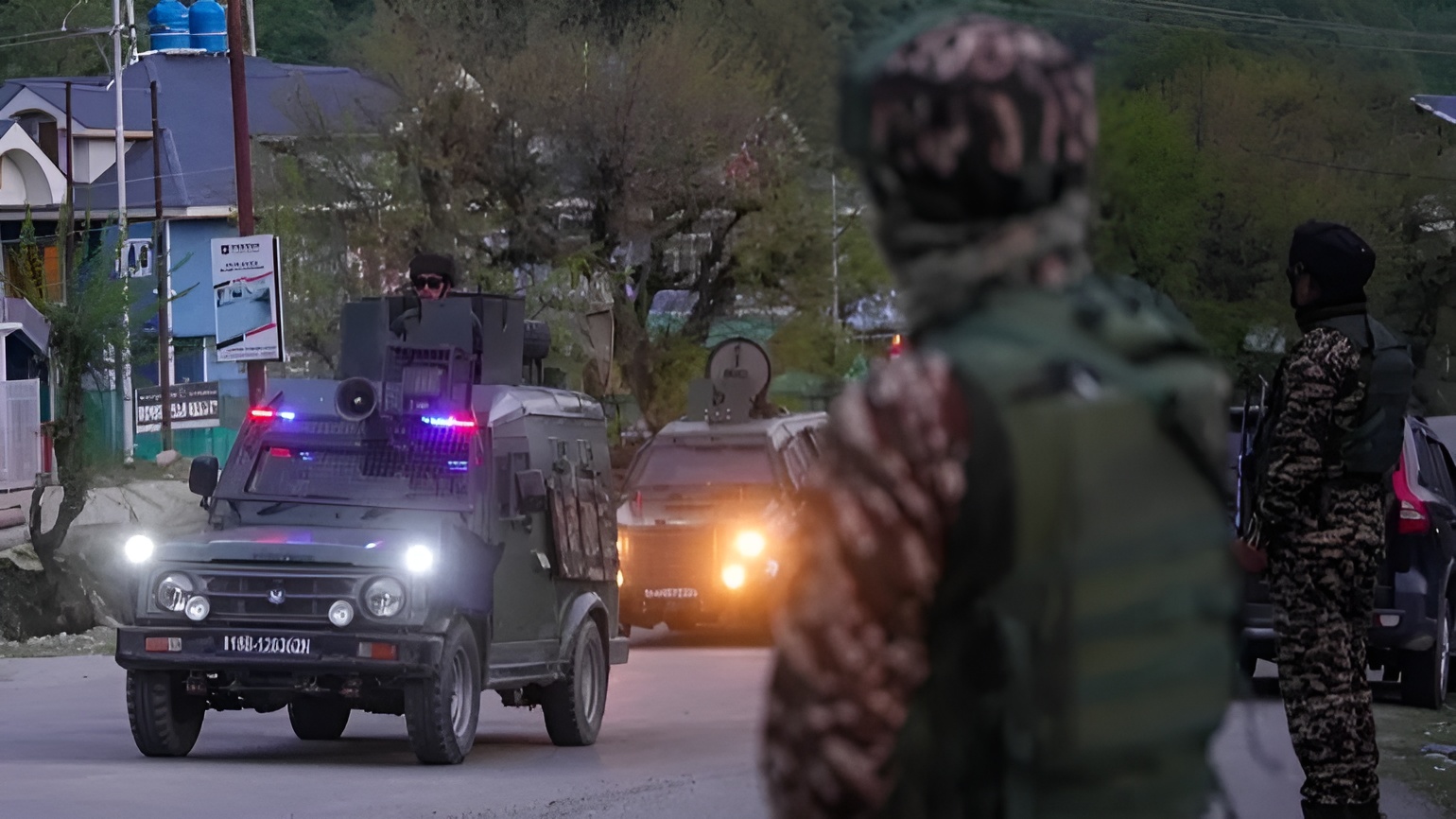
On April 22, 2025, a terrorist attack in the Baisaran Valley near Pahalgam, Jammu and Kashmir, killed 26 civilians, primarily Hindu tourists, marking one of India’s deadliest civilian attacks since the 2008 Mumbai attacks. Armed with M4 carbines and AK-47s, the attackers targeted non-Muslims, segregating victims by demanding Islamic recitations or physical checks, intensifying communal tensions. The Resistance Front (TRF), a proxy of the Pakistan-based Lashkar-e-Taiba (LeT), initially claimed responsibility but later retracted, fueling speculation. The attack escalated India-Pakistan tensions, with India suspending the Indus Waters Treaty and Pakistan retaliating by suspending the Simla Agreement, leading to a brief military conflict and ceasefire by May 10, 2025.
In conflict zones like Kashmir, misinformation and disinformation thrive due to contested narratives, restricted information access, and emotional polarization. These phenomena amplify mistrust, escalate hostilities, and shape perceptions domestically and globally.
Background and Historical Context
The Kashmir conflict, originating from the 1947 partition of British India, remains a central point of contention between India and Pakistan, both claiming the region but administering only parts. Three wars and an ongoing insurgency since 1989, marked by the exodus of Kashmiri Hindus, have fueled violence and mistrust. India’s 2019 revocation of Jammu and Kashmir’s semi-autonomy, coupled with communication blackouts and heavy militarization, deepened local grievances, creating a fertile ground for misinformation. Ethnic and religious divisions, contested sovereignty, and recurrent violence enable unverified claims to spread rapidly, often outpacing official narratives.
The media significantly shapes perceptions of Kashmir. Indian media frame the conflict as a fight against Pakistan-sponsored terrorism, emphasizing national security. Pakistani media counter by highlighting Indian oppression and advocating for Kashmiri self-determination. International media, reliant on local sources, often struggle with neutrality, inadvertently amplifying biases. Previous attacks, like the 2016 Uri and 2019 Pulwama incidents, saw similar narrative battles, with India conducting retaliatory strikes and Pakistan denying involvement. The Pahalgam attack, targeting tourists in a militarized area, exposed security lapses and intensified these narrative wars, as both nations leveraged media to deflect blame and rally support.
Allegations of False Flag Operations in the Kashmir Conflict
A recurring element in Pakistani narratives is the allegation that India has a history of staging false flag operations to malign Pakistan and justify military actions in Kashmir. These claims, while unproven and denied by India, draw on historical incidents that have fueled skepticism toward official Indian accounts. One prominent example is the 2000 Chittisinghpora massacre, where 36 Sikh villagers were killed in Indian-administered Kashmir just before U.S. President Bill Clinton’s visit. Indian authorities initially blamed Pakistani militants, but investigations revealed that five Kashmiri men were later killed in a staged encounter and falsely presented as the perpetrators, with DNA evidence allegedly tampered. Pakistan and human rights groups labeled it a false flag to portray India as a victim of cross-border terrorism.
Similarly, the 2019 Pulwama attack, which killed 40 Indian paramilitary personnel, was decried by Pakistan as a false flag orchestrated ahead of India’s general elections to bolster the ruling Bharatiya Janata Party. Pakistani officials pointed to inconsistencies in the official narrative and India’s swift attribution to Pakistan-based Jaish-e-Mohammed without conclusive evidence. Other alleged incidents include the 1971 hijacking of an Indian Airlines flight by Kashmiri militants, later framed by Pakistan as an Indian false flag operation amid mutual accusations of India blaming Pakistan for sponsoring terrorism These historical precedents provide the backdrop for Pakistani media’s framing of the Pahalgam attack as another potential false flag, designed to distract from India’s domestic failures in Kashmir and escalate tensions for political gain. International observers, including the BBC, note that such mutual accusations of false flags are common along the Line of Control, complicating verification and perpetuating disinformation cycles.
The Pahalgam Attack: The Event and Its Immediate Aftermath
On April 22, 2025, five armed militants infiltrated the Baisaran Valley near Pahalgam, a remote tourist destination, through dense forests. They segregated Hindu men, demanding recitation of Islamic verses or checking for circumcision, before executing 26 civilians, including 25 Indian Hindus and one Christian. Survivors reported that some Hindu women were spared to “narrate the horrors” to Prime Minister Narendra Modi . The attack’s targeting of tourists shattered India’s narrative of restored normalcy in Kashmir post-2019.
The remote location delayed rescue efforts, creating an information vacuum. Indian authorities imposed a lockdown, deployed helicopters, and launched Operation Mahadev to pursue the attackers. Within hours, rumors and unverified claims proliferated: Indian media attributed the attack to Pakistan-based groups, while Pakistani outlets suggested it was staged. Social media amplified disinformation, including fake videos and conspiracy theories about Indian orchestration . The Resistance Front’s initial claim on April 22 and 23, followed by a retraction on April 26, citing a “hacked” communication, deepened confusion and fueled competing narratives.
Disinformation in Indian Media Ecosystem
Indian media framed the Pahalgam attack as Pakistan-sponsored terrorism, emphasizing cross-border militancy and national security. Outlets like The Hindu and Times of India ran headlines such as “Pakistan-Backed Terrorists Massacre Tourists in Pahalgam” and “Modi Vows Justice for Kashmir Attack”. Visuals of grieving families and security forces underscored the brutality, rallying nationalist sentiment. Unverified claims, such as “Pakistani voter IDs” found on attackers, were widely reported but later debunked by fact-checkers.
This framing served political objectives: bolstering Modi’s image as a decisive leader and justifying Operation Sindoor, which targeted alleged terror camps in Pakistan. The narrative deflected criticism of security failures in a militarized region, redirecting public anger toward Pakistan. Fact-checking by the Press Information Bureau countered some falsehoods, but emotive rhetoric, calling the attack a “faith-based massacre”, amplified communal tensions, aligning with the Bharatiya Janata Party’s nationalist agenda.
Disinformation in Pakistani Media Ecosystem
Pakistani media, including Dawn and state-aligned outlets, framed the attack as a consequence of Indian oppression in Kashmir, questioning its authenticity. Headlines like “India’s False Flag in Pahalgam?” and “Kashmir Under Occupation” suggested the attack was staged to defame Pakistan. Articles emphasized India’s human rights violations and communication blackouts, portraying Pakistan as a victim of baseless accusations. The Resistance Front’s retracted claim was cited to argue no credible evidence linked Pakistan to the attack. Drawing on historical allegations of Indian false flags, such as Chittisinghpora and Pulwama, Pakistani outlets argued that Pahalgam fit a pattern of manufactured incidents to malign Islamabad and justify aggression.
These counter-narratives aimed to shield Pakistan from international condemnation and reinforce domestic unity. Social media campaigns, using hashtags like #IndianFalseFlag, amplified AI-generated deepfakes and doctored images claiming Indian staging. Foreign Minister Ishaq Dar’s statement, “We don’t consider TRF illegal. Show us proof,” deflected responsibility, aligning with Pakistan’s stance of providing only “diplomatic and moral support” to Kashmiris. This narrative sought to maintain Pakistan’s global image while rallying domestic support against India.
International Media Narratives
International outlets like BBC, Al Jazeera, and The New York Times reported the attack with varied framing, often relying on Indian and Pakistani sources, introducing biases. BBC emphasized the attack’s brutality and India’s accusations, while Al Jazeera contextualized it within the Kashmir conflict, noting Pakistan’s denials. Western media often adopted a “both sides” approach, reporting India’s claims alongside Pakistan’s call for evidence, as seen in CNN’s coverage. However, reliance on Indian sources led some, like Reuters, to initially echo the terrorism narrative.
Think tanks like the Lowy Institute critiqued India’s quick attribution to Pakistan as deflecting from security failures. Fact-checking organizations, including India’s PIB and independent groups, debunked viral falsehoods, but their reach was limited. International reports occasionally amplified local biases, such as unverified claims of Pakistani involvement, reflecting challenges in neutral reporting.
Role of Social Media Platforms
Social media platforms like Twitter, Facebook, and WhatsApp were central to disinformation spread post-Pahalgam. Pakistani accounts drove hashtags like #PahalgamDramaExposed and #ModiExposed, promoting AI-generated deepfakes alleging Indian orchestration. Indian accounts countered with #PakistanTerror, sharing unverified videos of alleged militant camps. A Reddit post falsely claimed Sikh soldiers rebelled against India, gaining traction before being debunked.
Fact-checking by India’s PIB and independent journalists exposed forged documents and fake footage, but corrections lagged viral content. WhatsApp amplified rumors of further attacks, stoking panic in India. India’s ban on 16 Pakistani YouTube channels and platform interventions were limited by the speed and transnational reach of disinformation, highlighting challenges in managing real-time crises.
Comparative Analysis: Political and Strategic Objectives
Indian media framed Pakistan as the aggressor, justifying military actions like Operation Sindoor and bolstering nationalist sentiment. Pakistani media framed India as an oppressor, denying involvement to deflect international blame and unify domestic audiences. International media, caught between these narratives, often reproduced local biases due to source reliance, with some leaning toward India’s terrorism frame and others maintaining neutrality.
These frames reveal strategic agendas: India’s narrative supported security policies and domestic cohesion, while Pakistan’s shielded it from global scrutiny and reinforced its Kashmir stance. Disinformation, such as fake videos and unverified claims, escalated diplomatic hostility, with India’s suspension of the Indus Waters Treaty and Pakistan’s retaliatory measures reflecting narrative-driven actions. Social media amplified these agendas, making disinformation a tool for state and non-state actors to shape public opinion and geopolitics. The invocation of historical false flag allegations by Pakistan underscores how past unverified claims perpetuate cycles of distrust, allowing both sides to exploit ambiguity for political leverage.
Policy Implications
Managing misinformation in conflict zones is critical to prevent escalation and protect social cohesion. Governments should invest in real-time fact-checking and transparent communication to counter disinformation swiftly. Media outlets must prioritize verification, adopting ethical standards to avoid sensationalism. International organizations, like the UN, should facilitate independent investigations, as seen in the UNSC’s July 2025 report on TRF’s role. Digital governance must evolve, with platforms enhancing regional language moderation and ethnolinguistic threat detection. Collaborative fact-checking networks can mitigate falsehoods, ensuring crises like Pahalgam do not spiral into broader conflicts.
Conclusion
This piece has explored how Indian, Pakistani, and international media framed the April 2025 Pahalgam attack, revealing the strategic political agendas behind these conflicting narratives. By dissecting these accounts, we uncovered how disinformation drives state and non-state goals, intensifying the India-Pakistan conflict and complicating global perspectives on Kashmir. Indian media’s emphasis on terrorism and cross-border threats served to consolidate national unity and legitimize aggressive countermeasures, while Pakistani media’s counter-framing as a false flag operation, bolstered by historical allegations like Chittisinghpora and Pulwama, aimed to evade accountability and portray India as the regional aggressor. International coverage, though striving for balance, often mirrored these biases through source dependency, highlighting the challenges of objective reporting in polarized contexts.
Beyond political strategy, these frames expose profound ethical dilemmas: the deliberate dissemination of disinformation undermines journalistic integrity, erodes public trust in institutions, and contravenes international norms on truthful conflict reporting, potentially violating human rights by inciting communal violence or justifying disproportionate responses. Ethically, such manipulations prioritize state agendas over human lives, fostering a media landscape where truth becomes a casualty of power. Psychologically, disinformation exploits cognitive biases like confirmation bias and fear responses, polarizing societies by reinforcing pre-existing prejudices, Hindus viewing Muslims as threats in India, or Indians as oppressors in Pakistan, leading to heightened anxiety, social fragmentation, and a collective trauma that hinders reconciliation. In South Asia’s volatile geopolitics, these dynamics not only escalate immediate hostilities but also entrench long-term divisions, complicating peace efforts.
The Pahalgam case thus offers broader lessons for conflict studies: disinformation is not merely tactical but a structural weapon that warps reality, demanding multifaceted interventions. Looking ahead, the proliferation of AI-generated deepfakes and hyper-connected networks will amplify these challenges, necessitating ethical AI governance, psychological resilience training for publics, and international ethical frameworks to penalize manipulative narratives. Only through such holistic approaches can the cycle of deception be broken, paving the way for genuine dialogue in regions like Kashmir.