Turkish Armed Forces Reform Proposal: Abolition Of The Gendarmerie And Re-Establishment Of The Redif Organization
The Turkish Armed Forces (TSK) is an institution with a deep-rooted history that has effectively countered both internal and external security threats throughout its existence. The military traditions inherited from the Ottoman Empire have formed the foundation of the Republic of Turkey’s defense policies. However, evolving global security dynamics, increasing war risks, and societal transformations have brought the need for reform in the structure and functioning of the military to the forefront. This article proposes a reform for the Turkish Armed Forces, specifically the abolition of the Gendarmerie Organization and the re-establishment of the historical Redif Organization, a reserve army system that played a significant role during the Ottoman era, as a modernized structure. This reform proposal has been developed considering factors such as global security vulnerabilities, war risks, and the growing disconnect of society from military consciousness. Additionally, the role of regular refresher training in enhancing military awareness will be discussed, drawing examples from reserve army systems in Central European countries.
Current Role and Issues of the Gendarmerie Organization
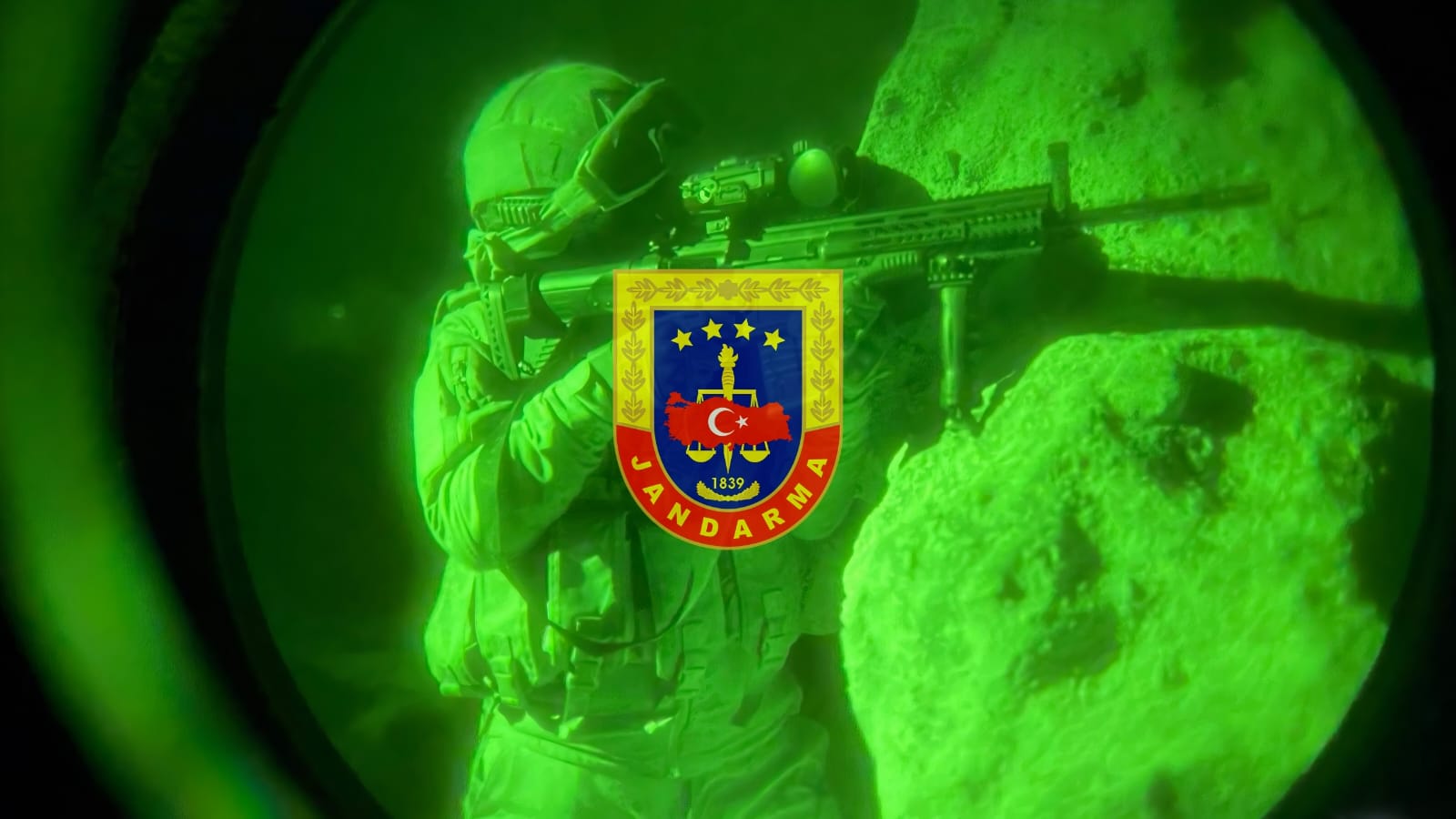
The Gendarmerie Organization was established in 1839 as a “rural police force” based on the French Gendarmerie model. According to Law No. 2803 of 1983, the Gendarmerie’s primary duties include maintaining public order, preventing crime, controlling traffic, and providing security services in rural areas. However, the Gendarmerie’s dual role in both internal security and military tasks creates challenges, particularly due to its affiliation with the Ministry of Interior while also operating in coordination with the TSK. This duality can lead to confusion in the chain of command.
The scope of the Gendarmerie’s duties is increasingly inadequate in meeting modern security needs. The decline of rural areas due to urbanization and the expansion of metropolitan municipalities, which has rendered village status less common, has significantly reduced the Gendarmerie’s operational domain. This situation has left the Gendarmerie caught between its civilian and military roles.
While the proposal to abolish the Gendarmerie carries the risk of creating a gap in internal security, this gap can be addressed by strengthening professional police forces and modernizing local law enforcement units. This would allow the TSK to focus on its primary mission of national defense.
Historical Roots of the Redif Organization
The Redif Organization was established in the 19th century as part of the Ottoman Empire’s modernization efforts. Following the abolition of the Janissary Corps in 1826, it was officially introduced on July 8, 1834, under Sultan Mahmud II through the Redif Regulation. The Redif system required soldiers who completed six years of service in the regular (Nizamiye) army to remain in reserve status for an additional 14 years. This system aimed to ensure that reserve forces could be quickly mobilized in case the regular army became fatigued or suffered losses during wartime.
The Redif Organization played a significant role in institutionalizing compulsory military service in the Ottoman Empire and provided a strategic reserve force to support the regular army. In 1836, improvements were made to the system’s operations, and financial and logistical support was provided through a treasury called the Redîf-i Mansûre Treasury. During the Tanzimat period, with the establishment of the Nizamiye Army in 1843 and the Military Conscription Law of 1846, the Redif Organization officially became a reserve army system.
However, economic deterioration and administrative issues in the Ottoman Empire gradually diminished the Redif Organization’s effectiveness. By the late 19th century, logistical and training deficiencies rendered its functionality questionable. Nevertheless, the core concept of the Redif Organization—maintaining a reserve force alongside the regular army and keeping civilians ready for war without alienating them from military service—remains a valid model for modern armies.
Global Security Vulnerabilities and War Risks
In today’s world, security vulnerabilities and war risks are on the rise. Geopolitical tensions, regional conflicts, cyber threats, and hybrid warfare tactics necessitate a reevaluation of national defense strategies. Turkey, due to its geographical position, faces both regional and global threats. Instability in Syria and Iraq, tensions between Russia and Ukraine in the Black Sea, and disputes with Greece in the Aegean Sea require the TSK to remain in a constant state of readiness.
In this context, a reserve army system can bolster the TSK’s regular forces, enhancing preparedness against war risks.
Society’s Growing Disconnect from Military Consciousness
Historically, Turkey’s compulsory military service system has kept societal military consciousness at a high level. However, in recent years, the widespread adoption of paid military service exemptions and discussions about transitioning to a professional army have led to a growing disconnect among younger generations from military service. This weakening of military consciousness could reduce societal resilience against national security threats. The rise of modern lifestyles and individualistic culture has further distanced young people from military discipline and responsibility.
Re-establishing a modern Redif Organization as a reserve army system could serve as an effective tool to address this issue. Regular refresher training can keep citizens’ military consciousness alive, contributing to the nation’s defense capacity. These trainings can impart not only military skills but also values such as discipline, leadership, and teamwork to younger generations.
Reserve Army Systems in Europe
Central European countries, in particular, provide successful examples of reserve army systems. These countries prioritize reserve systems to support their regular armies and enhance societal resilience.
Switzerland is one of the most successful examples of a reserve army system. In Switzerland, compulsory military service applies to male citizens aged 18–34. The service typically begins with 18–21 weeks of basic training, after which soldiers transition to reserve status. Reserve soldiers participate in 2–3 weeks of refresher training annually. These trainings ensure that military skills remain up-to-date while strengthening societal defense consciousness. Switzerland’s “citizen army” model enables the country to maintain both a professional army and a large pool of reserve forces.
Finland, sharing a long border with Russia, places great importance on its reserve army system. Compulsory military service in Finland lasts 6–12 months, after which soldiers enter reserve status. Reserve soldiers participate in 1–2 weeks of refresher training at regular intervals. Finland’s “total defense” strategy aims to involve not only the military but also civil society in enhancing defense capacity. This system ensures preparedness for war risks while boosting societal resilience.
In Austria, compulsory military service lasts six months, and soldiers enter reserve status afterward, attending refresher training at regular intervals. Austria organizes specialized training programs to integrate reserve soldiers into modern warfare technologies, such as cybersecurity and drone operations. This enhances the army’s technological capacity while equipping citizens with modern defense skills.
Countries like Poland, the Czech Republic, Slovakia, and Estonia follow similar models. These examples highlight the military and societal benefits of reserve army systems. Turkey can draw inspiration from these models to redesign the Redif Organization within a modern framework.
Re-Establishment of the Redif Organization as a Reserve Army
Abolishing the Gendarmerie Organization and establishing a modern Redif Organization could enhance both the operational and societal capacity of the Turkish Armed Forces.
The Gendarmerie’s public order and law enforcement duties should be transferred to professional police forces under the Ministry of Interior. This would allow the TSK to focus on national defense and eliminate the confusion stemming from the Gendarmerie’s dual role. Security services in rural areas can be supported through the modernization and training of local police units.
Using the resources and facilities freed up by the abolition of the Gendarmerie, the modern Redif Organization would be designed as a reserve army system encompassing all citizens aged 18–35. Basic military training could be limited to a period of 3–6 months. This training should include not only fundamental military skills but also modules on modern warfare technologies, such as drone operations and other emerging technologies. After completing training, citizens would transition to reserve status and participate in 1–2 weeks of refresher training at regular intervals.
Potential Advantages of the Reform
The reserve army system could serve as an opportunity to enhance societal military consciousness. Refresher training should teach not only military skills but also values such as leadership, crisis management, and societal solidarity. Training camps could bring young people from different regions and socio-economic backgrounds together, fostering social cohesion.
Establishing a modern reserve army could provide multifaceted benefits to both the TSK and society. Firstly, this system would support the regular army’s war-fighting capacity, ensuring sustainability in prolonged conflicts. The reserve army would reduce the personnel and logistical burden on the regular army, enabling the TSK to focus more effectively on national defense tasks. Additionally, regular refresher training would keep citizens’ military consciousness alive, strengthening societal resilience.
Transferring the Gendarmerie’s public order duties to the police would allow the TSK to use its resources more efficiently, contributing to the optimization of the defense budget.
Potential Challenges
Abolishing the Gendarmerie and establishing a modern reserve army may bring certain challenges. The withdrawal of the Gendarmerie from public order duties could create a security gap, particularly in rural areas. This risk can be mitigated by strengthening professional police forces, modernizing local law enforcement units, and investing in technological infrastructure. Additionally, mandatory refresher training may be perceived by some citizens as a burden in terms of time and energy. To overcome this resistance, training durations could be made flexible, and incentives such as tax reductions, educational loans, or career opportunities could be developed to encourage participation.
Conclusion
Abolishing the Gendarmerie Organization and re-establishing a modern reserve army could provide both military and societal benefits for the Turkish Armed Forces. This reform would enhance preparedness against global security vulnerabilities and war risks while strengthening societal resilience by increasing military consciousness. Examples from Central European countries, such as Switzerland, Finland, and Austria, demonstrate the feasibility of this model. By adapting these experiences to its own conditions, Turkey can create a modern and dynamic reserve army system. This reform would enhance the TSK’s operational capacity while revitalizing society’s commitment to national defense.