A Regional Experiment In West Africa: The Sahel Confederation
Although African countries have struggled with many different problems since gaining their independence from their former colonizers, the issues these countries complain about generally bear similarities: disputes arising from borders drawn by Europeans, famine, terrorism, and former colonizers who are claimed to maintain economic hegemony even if they have formally left the region, etc.
In three of the West African countries located in the Sahel region, who struggle with similar problems; in the trio of Burkina Faso, Mali, and Niger, groups of officers dissatisfied with the performance of their governments in combating these problems came to power by carrying out separate coups, and the difficulties they experienced afterwards pushed these three states to establish a Pan-Africanist organization: The Sahel Confederation.
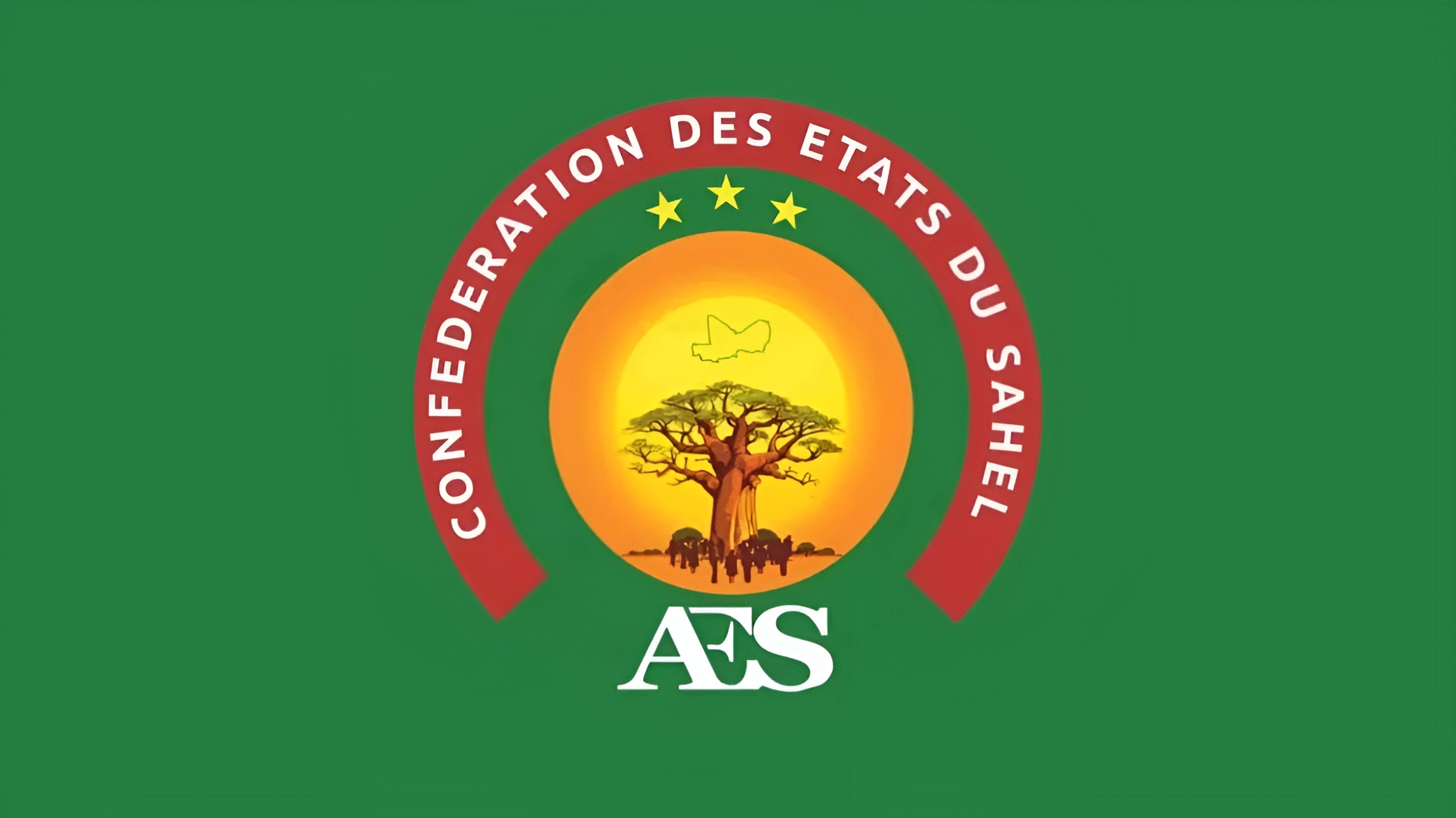
Before continuing with this article, as a small note to avoid confusion regarding the name of the Confederation, we should state that The Confederation is referred to as both the Confederation of Sahel States, the Alliance of Sahel States, and the AES (Alliance of Sahel States) Confederation. In this article, all three names are used together.
The Pan-Africanism Story
As a solution to the problems African countries struggle with, Pan-Africanism has been one of the prominent ideas, especially among leaders influenced by Socialist and Marxist ideas in the region. Pan-Africanists argue that the peoples of the continent are bound by a common destiny and that the future of Africa lies in increasing cooperation between these peoples.
Although followers of this Third-Worldist ideology claim that the potential of the African continent and its people is of the kind that will shake the world, it should be noted that Pan-Africanist ideology mostly attributes Africa’s problems to external intervention, generally ignoring conflicts arising from cultural, ethnic, and religious divisions among African peoples.
The Sahel Confederation, contrary to romantic Pan-Africanism, creates a more realistic structure by limiting its goal to these three countries from the very beginning. A confederation covering the Sahel region fighting together against common problems is, of course, more realistic than Gaddafi’s “United States of Africa”. It is not at all impossible for this confederation, which wants to cooperate against the jihadist terror surrounding the Sahel region, France’s hegemony over regional economies, and even environmental problems, to be successful.
The Coup Belt
The Coup Belt describes countries in West and Central Africa where military coups occur very frequently. Although the coups in these regions are quite old, the term gained popularity due to a series of coup attempts that have taken place in the region since 2020. These coups are generally carried out by officers who were trained by the French but are ideologically hostile to France and have high sympathy for Russia.
As a matter of fact, after all these coups, the countries where the coups took place were excluded from regional organizations seen as being under Western influence in the region, and the juntas cut cooperation with France in every field and agreed with Russia, China, and to a small extent Turkey, to fill the gap left by France.
The first coups in the three states that would form the Sahel Confederation took place in Mali and Burkina Faso. Shortly after the coups in these two countries, their memberships in the Economic Community of West African States (ECOWAS) were suspended. Although the coups in these two countries were not met with a serious reaction by ECOWAS, the coup that would take place in Niger in 2023 and the subsequent developments would encourage these military juntas to closer cooperation.

After the coup in Niger, when ECOWAS claimed that it would intervene militarily in Niger if Nigerien President Bazoum was not reinstated, the juntas in Mali and Burkina Faso declared their support for the junta administration in Niger. While the threat of ECOWAS intervention continued, the juntas, who established a defense pact among themselves under the name of the Alliance of Sahel States, declared their intention to turn this alliance born of necessity into a confederation step by step.
After ECOWAS backed down from its plans of military intervention, the Alliance of Sahel States began to take the necessary steps to realize this new Confederation experiment of 21st-century Africa, away from the threat of external intervention.
Goals of the Sahel Confederation

The Confederation was officially established with a contract signed on July 6, 2024, and the heads of state of the Confederation member states published a 25-article declaration on the same date.
While the 14th article of this declaration calls for diplomatic coordination and a common language for political issues, the 15th article calls for taking the necessary steps for the free movement of people and goods among the member states of the Sahel Confederation, which are no longer bound by ECOWAS and the rules it brought.
Article 16 of the declaration states that the Confederation states will pool their scarce resources and use them to invest in strategic sectors in an integrated manner. Among these important investment targets mentioned in Article 16 are agriculture and food security, water and environment, energy and mining, trade, infrastructure, communication, and telecommunications.
Policies directed towards water and the environment especially need to be underlined, because Thomas Sankara, the Marxist Revolutionary and Pan-Africanist who ruled Burkina Faso in the past and contributed to its modernization in many ways, carried out a major tree-planting project to green Burkina Faso, giving great importance to reversing desertification in Africa. While the threat of the Sahara Desert expanding and incorporating the Sahel continues today, the leaders of the Confederation, who are seen as Sankara’s heirs, have united against the same threat of desertification.
When we look at the 17th article of the declaration, it touches upon areas such as health, education, sports, and employment, while the 18th article foresees the establishment of an AES Investment Bank. In the 19th article, the need for a common communication strategy is pointed out.
Looking generally, the AES Confederation started as a defense pact between these three juntas; by building a common market, a common monetary union (the monetary union issue is the most complex one and will be discussed separately at the end), and a common understanding of defense among these three countries, it is taking steps toward the formation of a federal sovereign state.
Policies of the Sahel Confederation and the 2025 Summit
Member countries first followed Anti-Colonialist Populist policies, generally targeting France and the past it brought with it. For example, member countries leaving the International Organization of La Francophonie downgraded the status of French, which is normally the official language of these countries. Although all three countries continue to base themselves on French both in communication among themselves and among the people in general, member countries are striving to spread their own national languages within society.
In this context, road and street names left over from the French administration are being changed, and subjects such as the French Revolution are being removed from the curricula of schools. The most important steps for the integration of member countries began to be taken in 2025. While the states, whose ECOWAS memberships officially ended on January 29, started their work for a joint parliament in January, they officially introduced the AES Confederation flag to the world by February.
In January 2025, member states took an important step towards integration by preparing a common biometric passport. In February 2025, states signed a declaration on the common cultural policy of the member states of the AES Confederation, stating that member states carry a common cultural heritage, and policies regarding common cultural production were prepared. Again in this context, AES games were organized in June 2025, lasting for one week, where athletes from the three countries competed with each other.
The most important steps towards integration were taken at the 2025 summit, which was the 2nd summit of the AES Confederation. On December 22, the AES television channel was established with the participation of heads of state. Heads of state also came together at the opening of the Confederate Bank of the AES on December 23. Another important development in December was that AES member countries officially established the AES Joint Military Force to improve cooperation in the fight against jihadist organizations such as JNIM.
This joint military force, consisting of 5,000 soldiers and headquartered in Niger, hopes to reverse the heavy losses taken by AES members against organizations such as JNIM by foreseeing that member countries act jointly in their fight against terrorism.
Expansion Possibilities of the Confederation: Togo and Benin
Although many ECOWAS states have cut ties with Sahel Confederation countries, Togo has grown closer to the alliance as the integration project between AES Confederation members progressed. Again, due to the tension between Benin and Ivory Coast and the AES, AES countries had to use Togolese ports for foreign trade. Togo’s Foreign Minister Robert Dussey declared in January and March 2025 that the country was considering joining the AES, arguing that with a possible membership, they could reinforce their independence by providing the Alliance with access to the sea.
In addition to access to the sea and trade, an important plus of Togo’s membership would be acting jointly with AES countries against the increasing jihadist presence in the north of Togo. According to some Togolese commentators, Togo could serve as a bridge between two hostile organizations by both maintaining its relations with ECOWAS and developing its relations with AES.
Another important development opportunity for the Confederation arose during the coup attempt that took place in Benin on December 7. The Benin coup, which had a characteristic similar to the coups in AES member states, was welcomed with excitement by AES sympathizers in the first hours and it was claimed that the country would be the 4th member of the AES. But the Benin coup, far from being successful, was suppressed with surprising severity.
When it was more or less certain that the coup had failed, ECOWAS’s joint intervention force entered Benin with a unit consisting of Nigerian, Ghanaian, Sierra Leonean, and Ivorian soldiers on the grounds of ensuring the security of the country. Again on the night of December 7, the Nigerian army conducted air strikes against coup plotters trying to flee the country with intelligence support from France and the consent of Beninese officials.
The fact that ECOWAS states, which did not take a serious step and finally stepped back when it came to the Niger coup, took such an active stance in the Benin coup might be aimed at preventing a new chain of coups, especially considering an anti-French coup took place in Guinea-Bissau only a few weeks before.. A coup attempt in Benin so soon after the Guinea-Bissau coup probably panicked France, which does not want to lose more influence in the region, and Nigeria, which would suffer from the spread of coups, pushing them to give such a message both to the AES Confederation and potential coup plotters. Making it clear that France and ECOWAS won’t tolerate any more coup attempts in the region.

It was reported that Pascal Tigri, who carried out the failed coup attempt in Benin, fled to the capital of Togo. Again, it was claimed that the President of Togo visited Niger a day before the coup and met with the junta leader. Although the Benin coup and the goal of gaining access to the sea through Benin resulted in failure for the AES, the Togolese government could be the first civilian administration to be included in the Confederation.
External Factors: An Africa Breaking Away from the West
France, even after they gained their independence, built many institutions that anti-Westerners in these countries today call Neo-Colonialist to maintain its influence in its former colonies in Africa. For example, many of these countries use the CFA franc as their currency. Thanks to the CFA franc, whose value was previously pegged to the French franc and today to the Euro, France has full dominance over the monetary policy of all states using this currency.
Almost all anti-Westerners in Africa oppose France’s influence in the region by emphasizing that an independent monetary policy is necessary for the solution of economic problems in Africa. Another reason why France’s influence in the region is so controversial was that France, since the Cold War period, ensured its relations with the countries of the region not through interstate communication, but through friendships built between French diplomats and leaders and powerful dictators in the region. This, of course, brought with it corruption and military coups to protect French influence in these countries.
For example, while Bokassa, the dictator who ruled the Central African Republic, was a very controversial figure due to the terrible policies he implemented against the opposition within the country, he maintained his power thanks to the friendship he had with French President Valery Giscard D’Estaing (and purchased with diamonds). When events such as Bokassa having 100 dissident students beaten to death caused great reactions in the French public, the French administration first tried to convince Bokassa to leave his post to his brother; when Bokassa attacked the French representative with his cane in reaction, the French carried out a military coup in the country.

With examples like these, as the ruling classes in African countries change, as civilian administrations that protect France’s economic privileges replace French-backed military dictators, as the generation of French diplomats who established close relations with African elites and know the region closely leaves its place to new diplomats who are more inexperienced regarding the region, France’s political influence and image in the region was damaged, and the French have begun to be pointed out as the main actor responsible for the problems of the region.
The most important reason why the French were able to maintain their influence in the region for so long was that the USA saw the French presence as necessary to prevent pro-Soviet administrations from being active in Africa during the Cold War period. Today, Türkiye can undertake a similar role. Although the Sahel Confederation, and anti-French formations in the region in general, have provided external support generally from Russia and China, the ideological tendency of these countries can be defined as anti-French rather than pure anti-Westernism.
Türkiye can prevent the erasure of Western influence in the region as a balancing element against the influence of Russia and China, which pursue an ideological and political hostility towards the West in the region. Although messages of improving military cooperation between the Confederation and Russia were given in the meetings held between the military leaders of the Confederation members and the Russian Ministry of Defense in August 2025, the power projection that Russia, which is stuck in a quagmire in Ukraine, can apply to external regions is quite limited seen in its failure to prevent the collapse of Russian aligned Assad Regime in Syria and its failure in protecting its Iranian allies from Israel. As a matter of fact, the Russian mercenaries working under the name of Wagner Mercenaries at first, and now the Russian Africa Corps, have also performed quite poorly in the fight against jihadists in the region.
Türkiye can prevent the countries of the region from falling into the China-Russia influence as an alternative West-oriented actor in regions where France has lost its legitimacy. Turks, who does not have a bloody colonial past in Africa like the European members of the Western Alliance and even uses a rhetoric that frequently criticizes the colonialism of the West, can easily be accepted as a legitimate actor by the countries of the region. Türkiye, which built good relations with the member states of the Sahel Confederation even before the coups, protected and even developed these relations after the coups and sold arms to these countries.
Again, according to a report written in Africa Defense Forum, a magazine affiliated with the US Africa Command (AFRICOM), a claim which Turks denied, states Türkiye sent Syrian mercenaries to the Sahel region. Looking at it this way, while Türkiye can balance Russia and China in regimes that completely expelled French influence from their country, in countries that have not yet expelled French influence but have high anti-French sentiment, it can prevent these countries from leaving the Western sphere of influence by mobilizing this opposition to more pro-Türkiye figures. Türkiye as a country firmly in the Western Bloc, can protect the interests of the West in the region while satisfying anti-Colonial sentiments.
Monetary Union Goal: Is an Africa independent from the French Central Bank possible?

As mentioned at the beginning of the previous section, a currency called the CFA Franc is used in many parts of Africa. This currency, which was pegged to the French franc until 1999 and to the euro today, is actually not one, but two separate currencies: the Central African CFA Franc and the West African CFA Franc. The CFA Franc provides a fixed exchange rate to the countries using it due to its value being pegged to the Euro. Again, these currencies, have unlimited convertibility, provide easy capital flow and trade between the countries of the region and France.
African countries using this currency pegged to the Euro do not struggle with the kind of hyperinflations seen in their neighbors who prefer to use their own national currencies. The CFA Franc both keeps inflation low and provides economic stability in the African countries that use it. However, the use of the CFA Franc of course ends the independence of the monetary policy of these countries.
First of all, the acronym CFA, between the years of 1945 and 1958 meant “Colonies françaises d’Afrique,” that is, French colonies in Africa. Later, it’s meaning was changed to “Communauté française d’Afrique” in an attempt to avoid the colonial past of the currency. Again, countries using the CFA franc have an obligation to keep 50% of their foreign exchange reserves in the French Central Bank. Additionally, as the euro gains value, the CFA franc gains value restricts competitiveness by making the exports of the countries using this currency expensive. Of course, most importantly, these countries have no say over their own monetary policies and are completely dependent on France in these matters.
France, as a result of its negotiations with the countries using the West African CFA Franc, decided to go for a reform in the currency and promised to abolish the 50% rule. Again, West African countries wanted to reduce France’s influence over their economies by converting the CFA Franc into a new regional currency called Eco as a result of a series of reforms. However, the most important setback for the Eco project is difficulties such as the inflation rates in countries that do not use the CFA Franc such as Nigeria and Ghana. Again, another problem is that while the majority of ECOWAS members want to build the new Eco currency again under French guarantee, Nigeria wants Eco to be a currency completely independent from France.
As for the Sahel Confederation members, since all three junta administrations have now left ECOWAS membership, they have also withdrawn from the Eco project. However, along with this, all three countries continue to use the CFA Franc. In 2024, while the member states of the Sahel Confederation announced that they would leave ECOWAS membership, the Mali administration announced that they would not leave their membership in the West African Economic and Monetary Union (UEMOA) and would continue to use the CFA Franc. Although the Burkina Faso administration announced that they initially also considered withdrawing from UEMOA, no step has been taken in this direction.
Among the countries that do not use the CFA Franc, for example, Guinea struggles with high inflation and foreign exchange shortage. Mali, in fact, left the use of the CFA Franc in 1962 and issued the Malian Franc; however, this project of the Malian government, which printed its own currency, was so unsuccessful that both serious foreign trade deficits and uncontrollable inflation emerged. Thereupon, the Mali administration returned to using the CFA Franc in 1984.
A Togolese economist, Nettey Dodji Koumou, argued that the discussions regarding the CFA Franc are far from economic realities and focused entirely on symbols, asserting that the CFA Franc is a necessity for regional economic stability. According to Koumou, in the issue of currency reserves, which is one of the most discussed matters, the event is not France seizing the incomes of the countries using the CFA Franc, but its guarantee of the foreign trade of the relevant countries.
In light of all this, although the Sahel Confederation aims for a common currency, it is clear that this task is not easy at all. The fact that AES members, who act boldly in all of their other policies, have not taken concrete steps in this matter shows that the country’s military rulers think that they cannot handle, at least for now, the economic problems that will arise if they leave the CFA Franc. If Confederation members’ production and export capacities remain weak after switching to a new common currency, this new currency may rapidly lose value, and where the foreign trade reserves will be kept also poses another question mark.
Conclusion: Can the Sahel Confederation Be Successful?
The Sahel Confederation, now safe from possibility of foreign intervention as the earlier ECOWAS threats turned out to be empty, has taken important and successful steps regarding further integration and is building a strong future for the region on paper. It is on paper as although integration progresses successfully, a terrible failure is seen in their struggle against terrorism in the Sahel region; as a matter of fact, after the soldiers who accused civilian administrations of being weak in the fight against terrorism came to power in all three countries, organizations such as JNIM achieved great breakthroughs in the turmoil and expanded their control zones in the countries where they operate.
Again, the more ideological aspects of the Sahel Confederation have not affected people much except for the urban citizens of the region, and as a result, tribes who do not feel a national sympathy even with their own tribes two steps away, let alone the citizens of the neighboring country, have taken refuge under the umbrella of organizations such as JNIM for assurance in an environment of instability. Russian soldiers invited to the region in France’s absence have not been able to provide a support as effective as the French army in the fight against terrorism.
As a natural consequence of this, when the successes of the Sahel Confederation in the direction of integration are compared with the military realities on the ground, a scene can be seen where a group of idealists acting with ideological motives are slowly rolling off a cliff.
Nonetheless, the integration efforts of the Sahel Confederation are an example of success the likes of which have not been encountered in the region before, and if they can overcome the economic difficulties that breaking away from France will bring, they can become an important regional power that African countries can take as an example in solving regional problems. For this to be ensured, above all, the AES Joint Military Force must conduct a successful struggle against the jihadist organizations that provide success after success on the battlefield against the member states.

Sources
https://thedefensepost.com/2025/03/21/togo-junta-sahel/
https://lefaso.net/spip.php?article131446
https://www.investopedia.com/terms/c/cfa-franc.asp
https://adf-magazine.com/2024/12/turkey-adds-mercenaries-to-sahels-violent-mix/
https://lenouveaureporter.com/franc-cfa-un-economiste-togolais-demonte-les-idees-recues/